Pushing Up That Rock with Pride
"There is but one truly serious philosophical problem, and that is suicide." — Albert Camus, The Myth of Sisyphus
This is how Albert Camus begins The Myth of Sisyphus. His opening is an obvious provocation, but it poses the big question: if life has no meaning or purpose, then from a philosophical point of view, does it make sense to continue living?
Albert introduced me to the concept of the absurd: the gap between our search for meaning and the cold, silent universe that never answers.
Marcus Aurelius, instead, taught me about a different universe. He wrote:
"The universe is either a confusion, and mutual involution, and dispersion; or it is unity and order and providence."
For Marcus, the universe is governed by Logos. Logos is the order that gives coherence to nature and meaning to our lives. We possess reason because we are part of that order, and the "good life" consists in living according to this order.
Albert rejects this assumption. For him, there is no evidence that the universe possesses any purpose at all. The absurd is born not because life is tragic, but because we keep searching for a meaning or purpose that is only met by silence.
I love them both. Their books have become the framework I actually try to live by, which is why the contrast between them is not an academic problem for me. It shows up on ordinary days. One finds order where the other finds silence, and I have never managed to choose between them. Yet somehow they arrive at surprisingly similar advice for living.
When I look at what I have written so far, I do not think this essay is really about suicide, Marcus Aurelius, or Albert Camus. It is about a much simpler and much more difficult question:
How do we continue living, and living well, when life becomes difficult?
During one of the most difficult periods of my life, I found myself turning to philosophy. Albert and Marcus became less like historical figures and more like two philosophers I was asking for advice.
Marcus believed the universe had an order, and that we should live according to it. Living according to reason, according to nature — in Italian we call it il pensiero razionale, a phrase I prefer — is his framework for life.
Albert wants something different: accept the absurdity of this world, and keep going anyway. For him, the keep going is the real rebellion. Then he adds something harder. He tells us to remain lucid, to face the absurd without running from it and without inventing comforting explanations. Refuse easy answers, and keep pushing up the rock with passion and rebellion.
The difference between the two philosophies — or frameworks, as my engineer brain calls them — is subtle but profound. Reason, for Marcus, is the instrument through which we can discover the world's hidden order. Lucidity, for Albert, is the courage to recognize that there may be no hidden order at all.
As I continued writing, I noticed that I kept returning to the same idea: thinking.
At some point, we stop questioning ourselves. We become comfortable letting others think for us, whether through ideology, religion, politics, or the endless stream of opinions surrounding us. To stop thinking is, in my opinion, the real philosophical death.
There is a comfort in believing we have all the answers, or that we don't need them at all. I have no interest in attacking anyone's beliefs, but research showing that religious people are less likely to take their own lives strikes me as a quiet irony. The comfort works. It just costs you one simple thing: the questioning.
Perhaps that is where Marcus and Albert unexpectedly meet. They disagree about the nature of reality, but both refuse intellectual surrender, no matter how hard life can be on you. And life was pretty hard on both of them.
I think that, in the end, is the real lesson I have taken from them.
I do not know whether the universe is governed by reason or by silence. Some days I lean toward Marcus, and the idea of an ordered cosmos feels almost consoling. Other days, silence feels closer to the truth, and the only honest response is to keep walking anyway, without the comfort of knowing why.
That uncertainty is not a gap in this essay. It is the essay.
There were mornings this past year when getting up and doing the next right thing was not a metaphor — it was the whole task. Whether the universe is governed by Logos or by silence mattered less than the simple act of continuing.
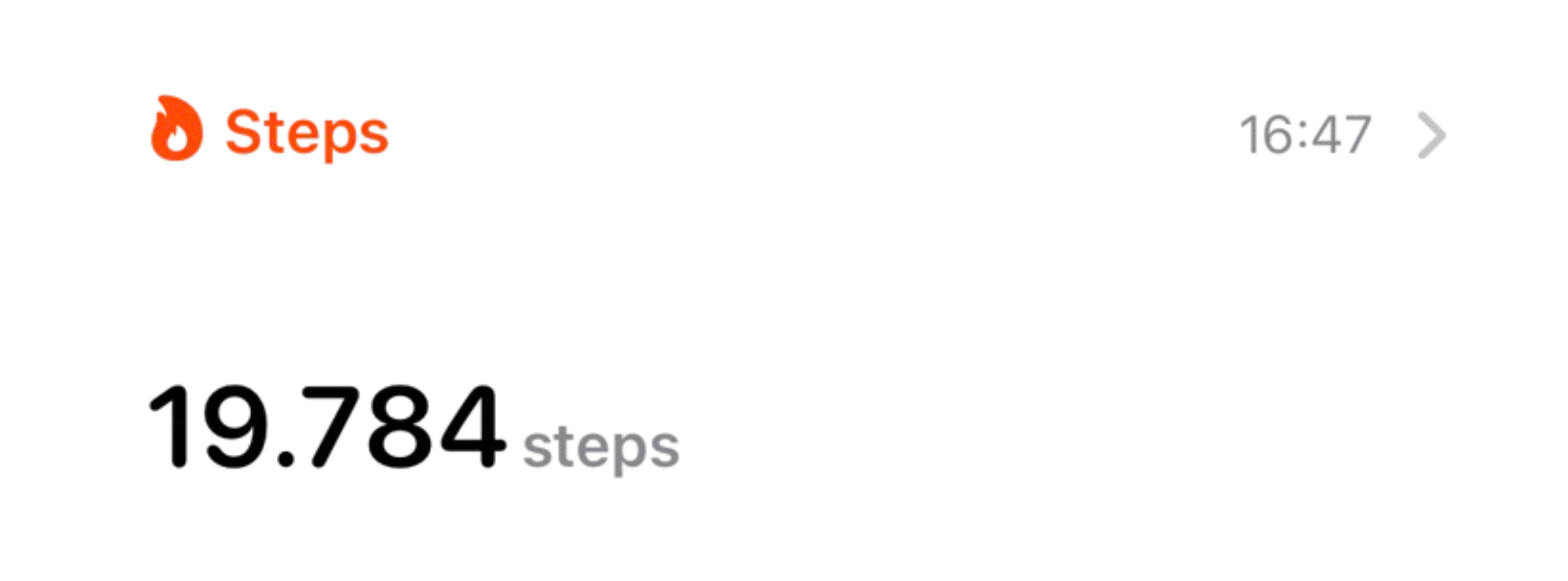
What I do know is that philosophy helped me keep walking.
Perhaps that is enough.
Whether Marcus is right or Albert is right is, in some sense, a secondary question. The rock remains either way and so do we: all of us Sisyphus pushing it up again every time ... every single morning.
The only question left is whether we choose to push it with resentment and fear or with pride. I am trying the last one.